
Our Physical Therapy Services
Quest Physical Therapy provides individualized, one-on-one physical therapy services in Issaquah, proudly serving Issaquah Highlands and Sammamish. Our services are designed to help patients reduce pain, restore movement, and return confidently to daily activities, work, and sport through evidence-based, patient-centered care.
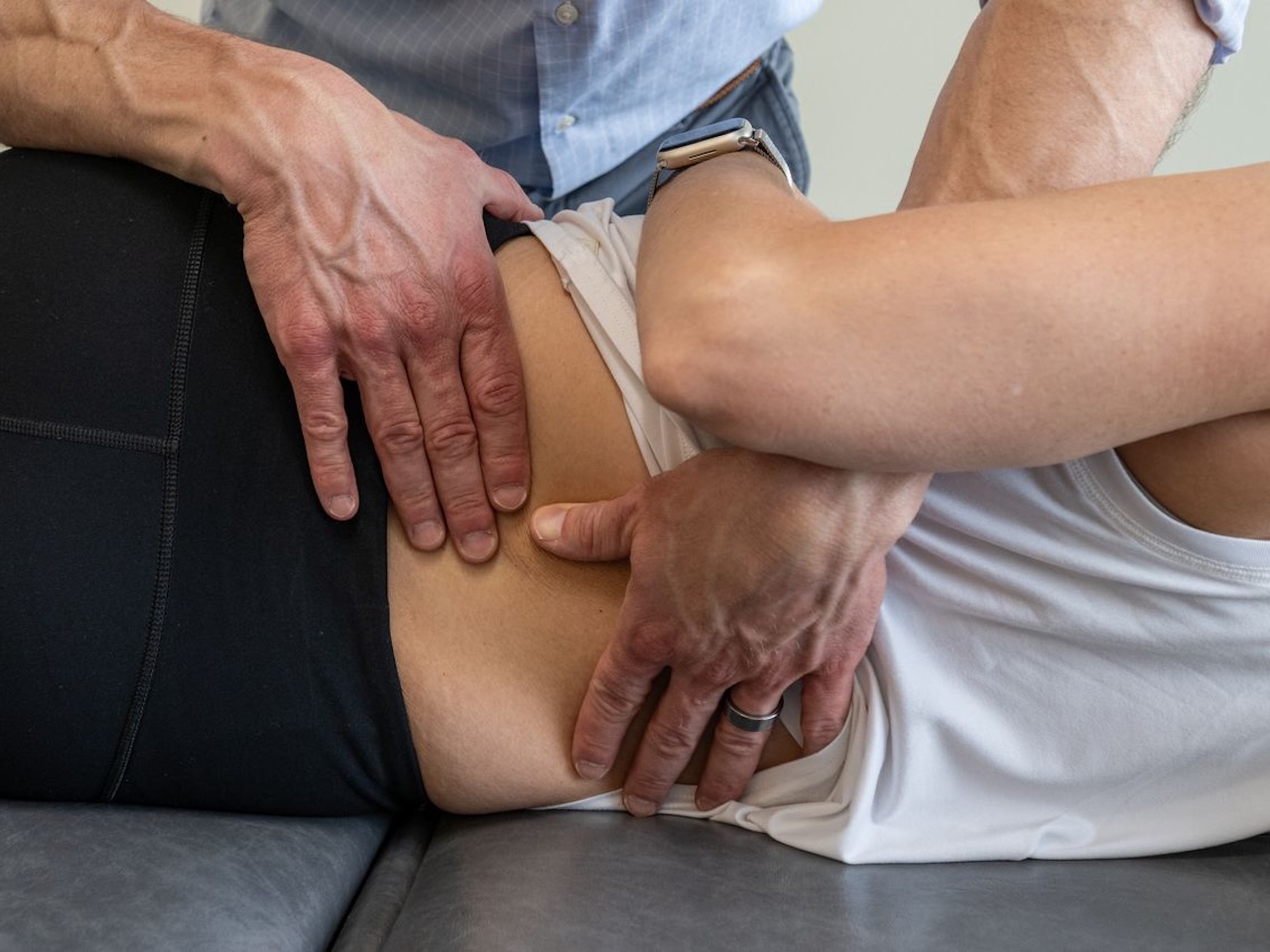
Orthopedic Physical Therapy
We specialize in orthopedic physical therapy focused on the evaluation, treatment, and prevention of musculoskeletal conditions. Treatment plans are individualized and designed around each patient’s goals, lifestyle, and movement demands.
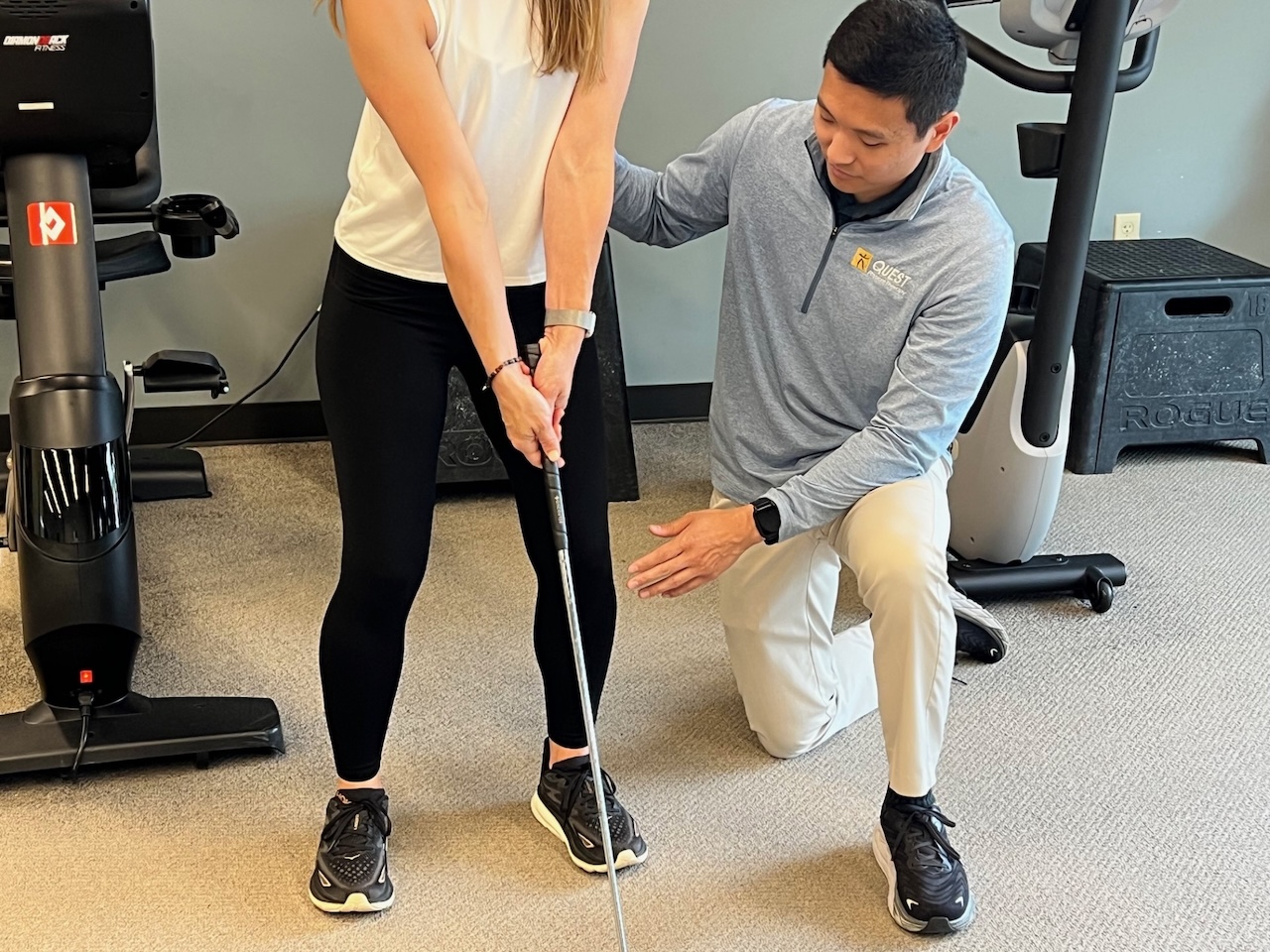
Individualized Exercise Programs
Personalized exercise programs are developed to improve strength, flexibility, mobility, balance, coordination, and overall movement efficiency.
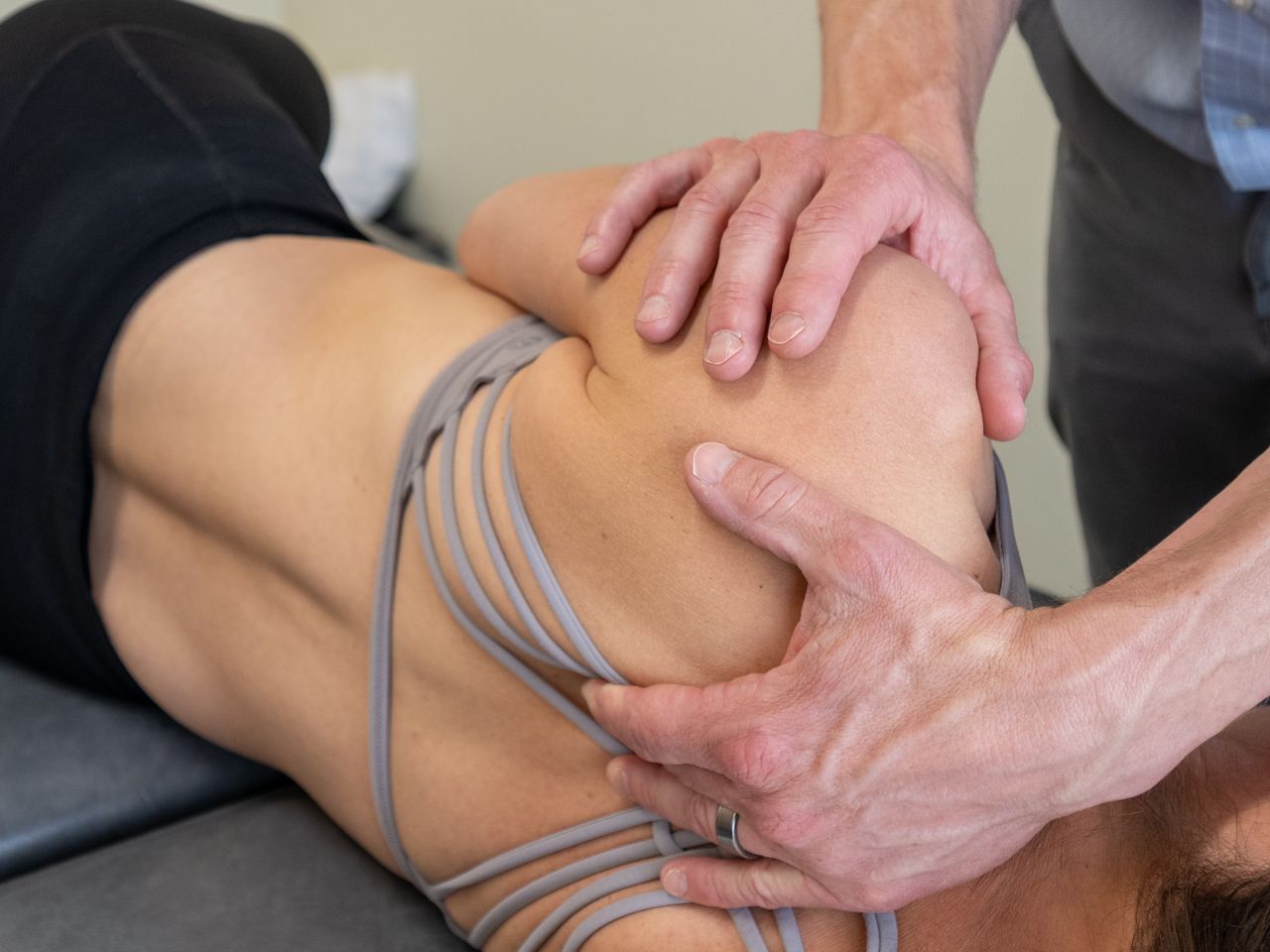
Manual Therapy
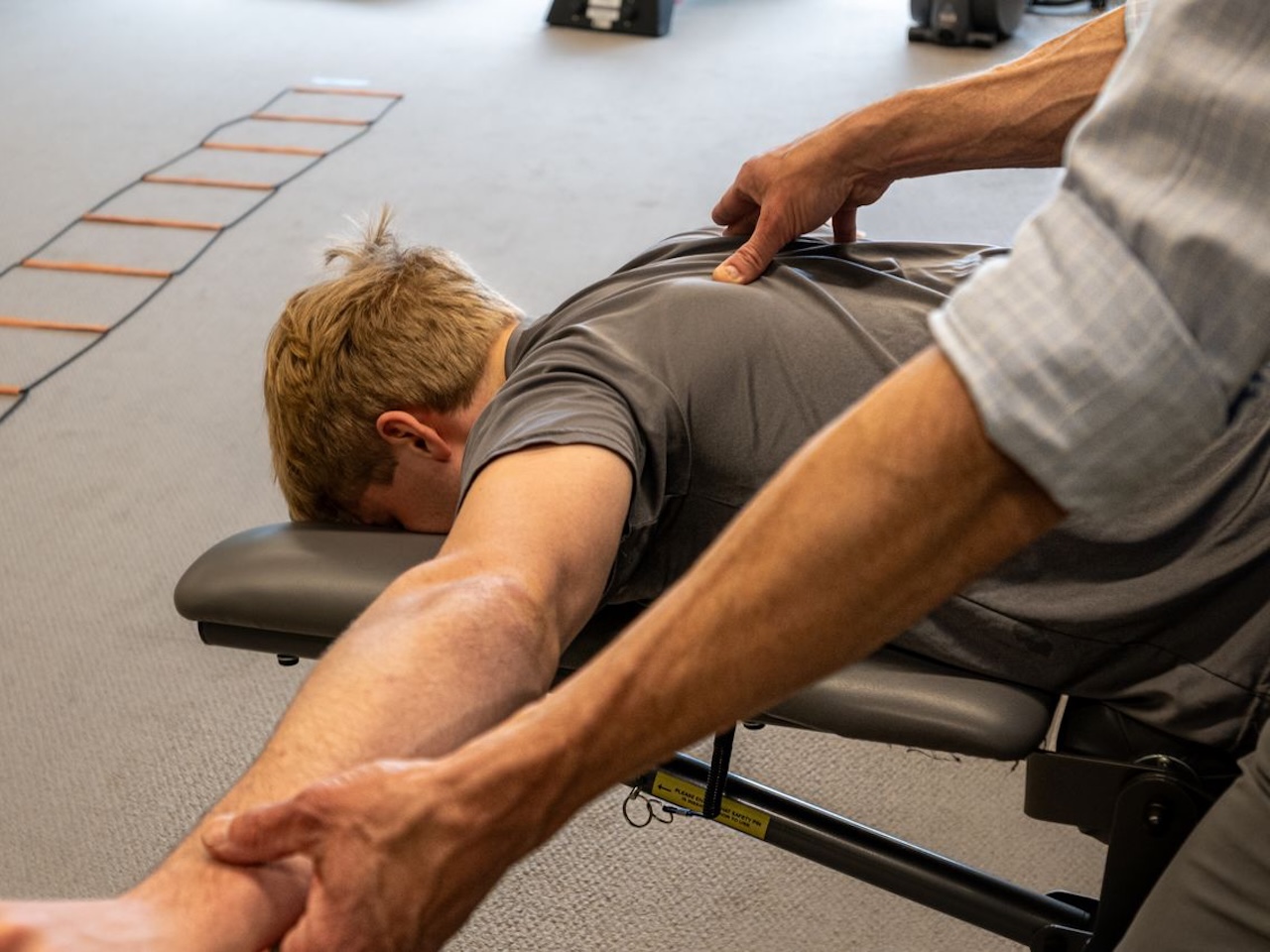
Hands-on treatment techniques used to reduce pain, improve joint mobility, and restore normal movement, including:
- Joint mobilizations and manipulations
- Myofascial and soft tissue techniques
- Strain-Counterstrain
- Muscle Energy Techniques
- Trigger point therapy
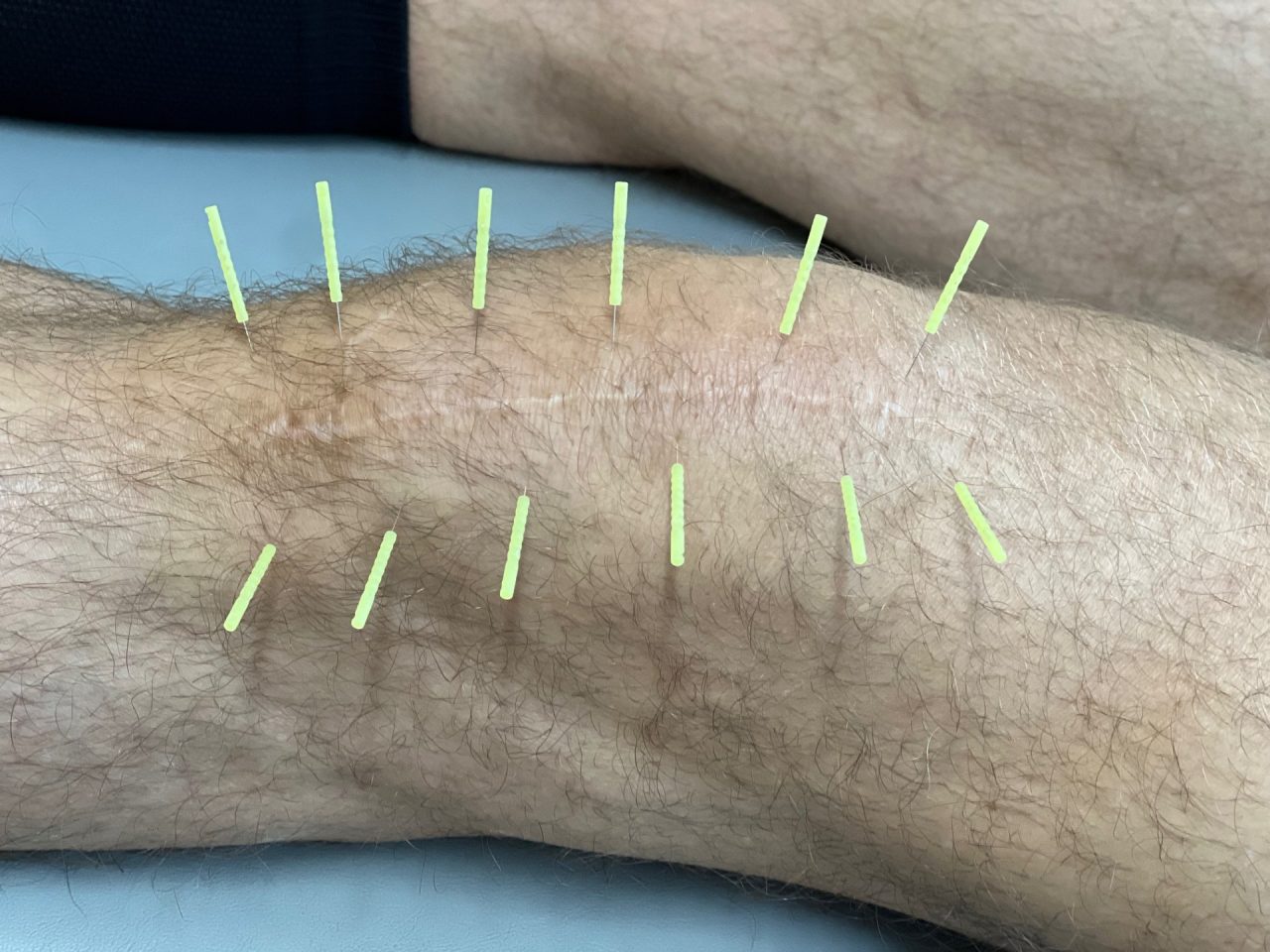
Dry Needling
Dry needling is an advanced technique used to address muscle tension, pain, and movement restrictions. When appropriate, it may be incorporated to reduce pain, improve mobility, and support neuromuscular function.
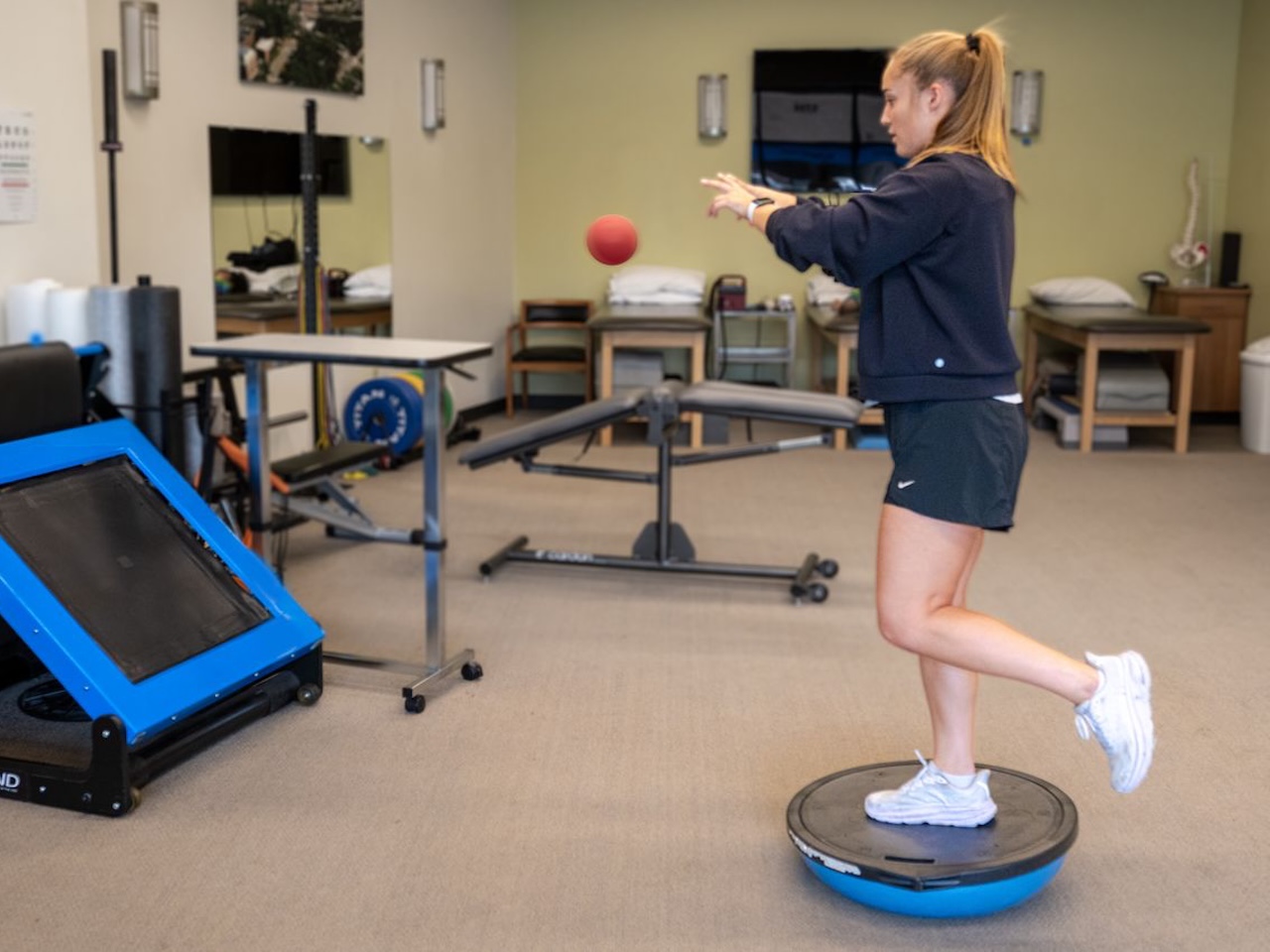
Neuromuscular Re-Education
Focused retraining of movement patterns to improve coordination, balance, posture, and movement control.
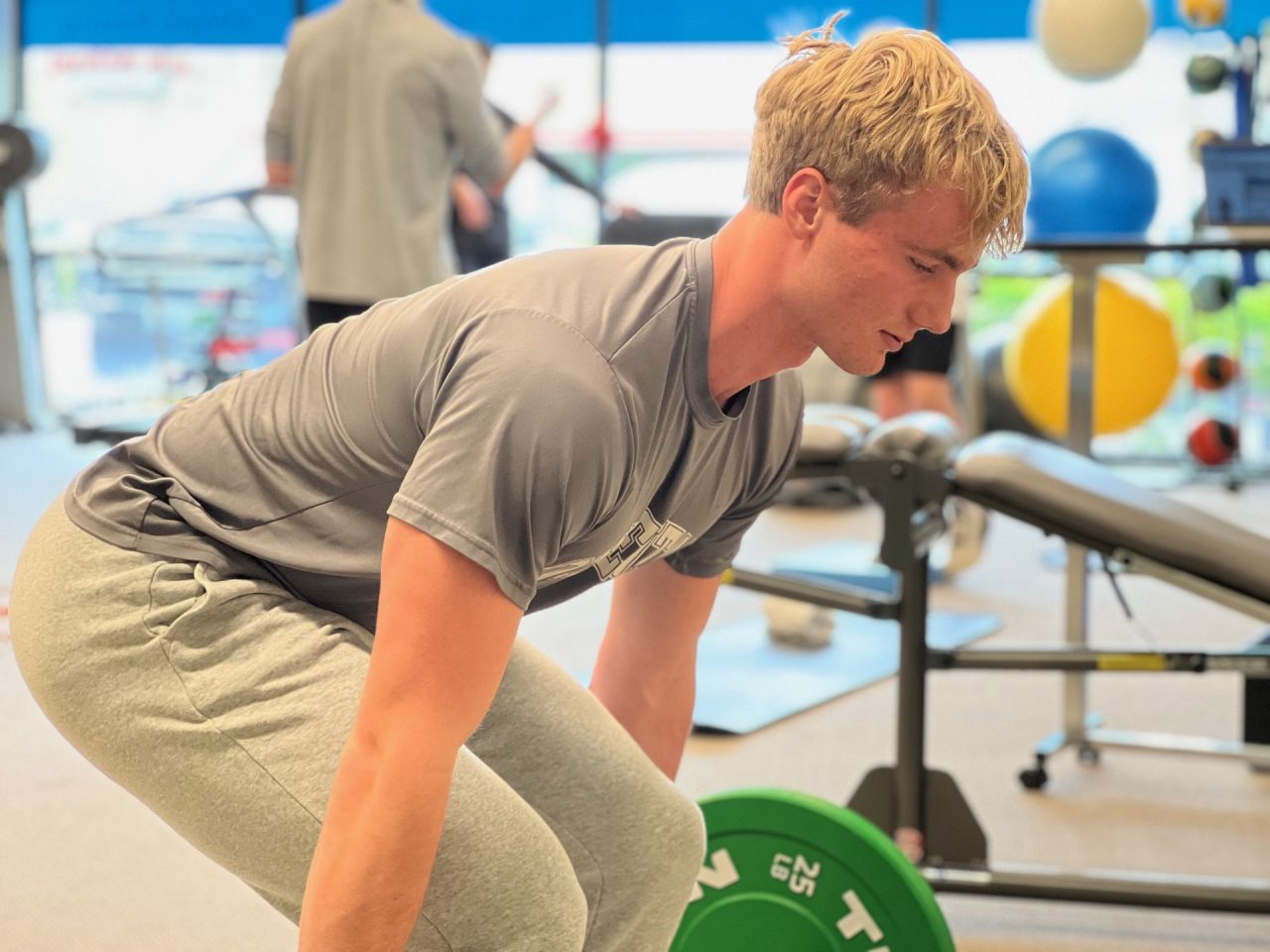
Sports Rehabilitation
We provide sports rehabilitation for athletes of all ages and levels, including acute injury care, progressive strengthening, movement analysis, and return-to-sport rehabilitation.
Post-Operative Rehabilitation
Comprehensive rehabilitation following orthopedic surgery, including ACL reconstruction, rotator cuff repair, meniscus surgery, joint replacements, and other sports and orthopedic procedures. Pre-operative physical therapy is also available when appropriate.
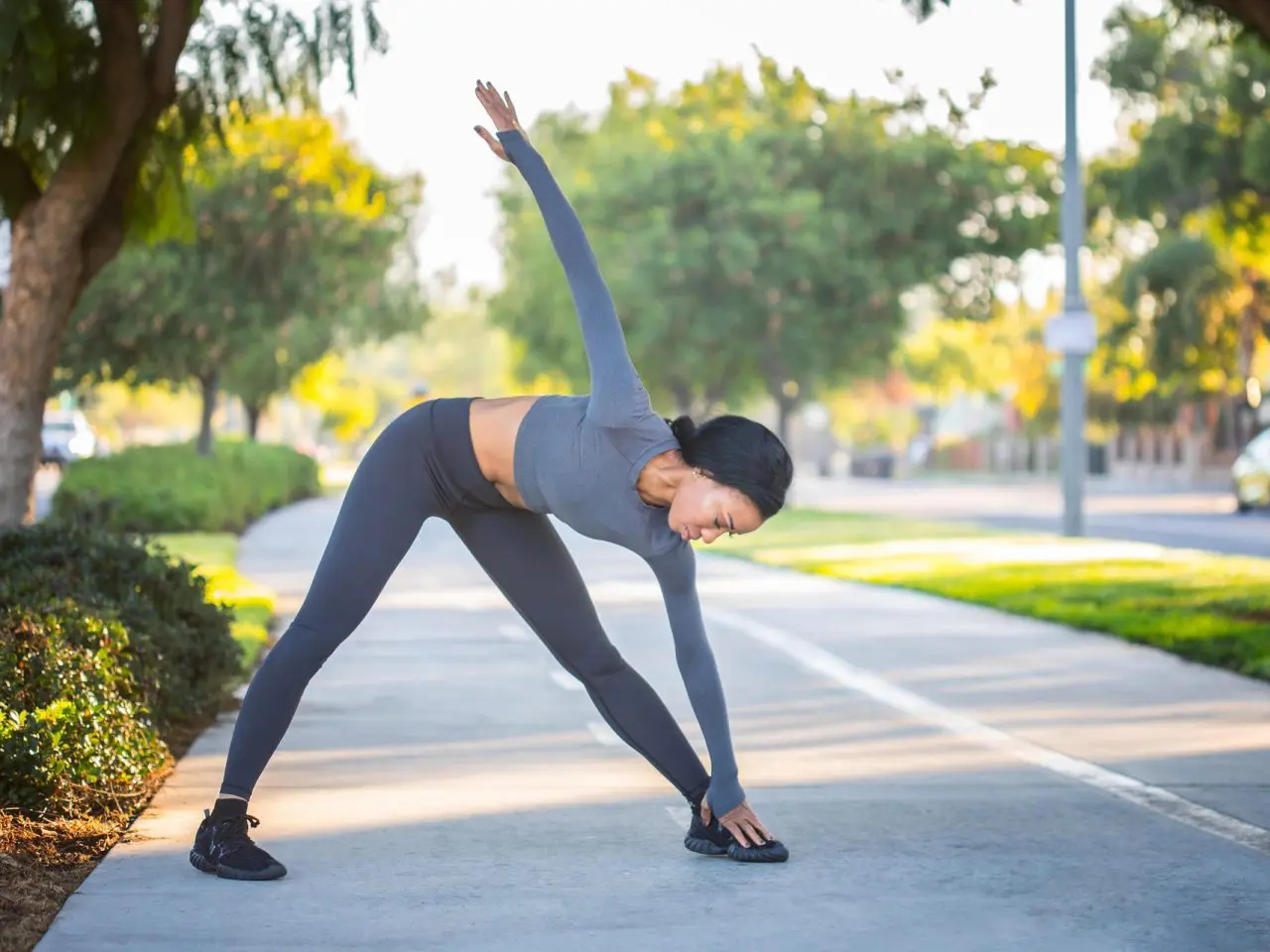
Movement & Postural Analysis
Assessment of posture, movement patterns, and biomechanics to identify contributing factors to pain or injury.
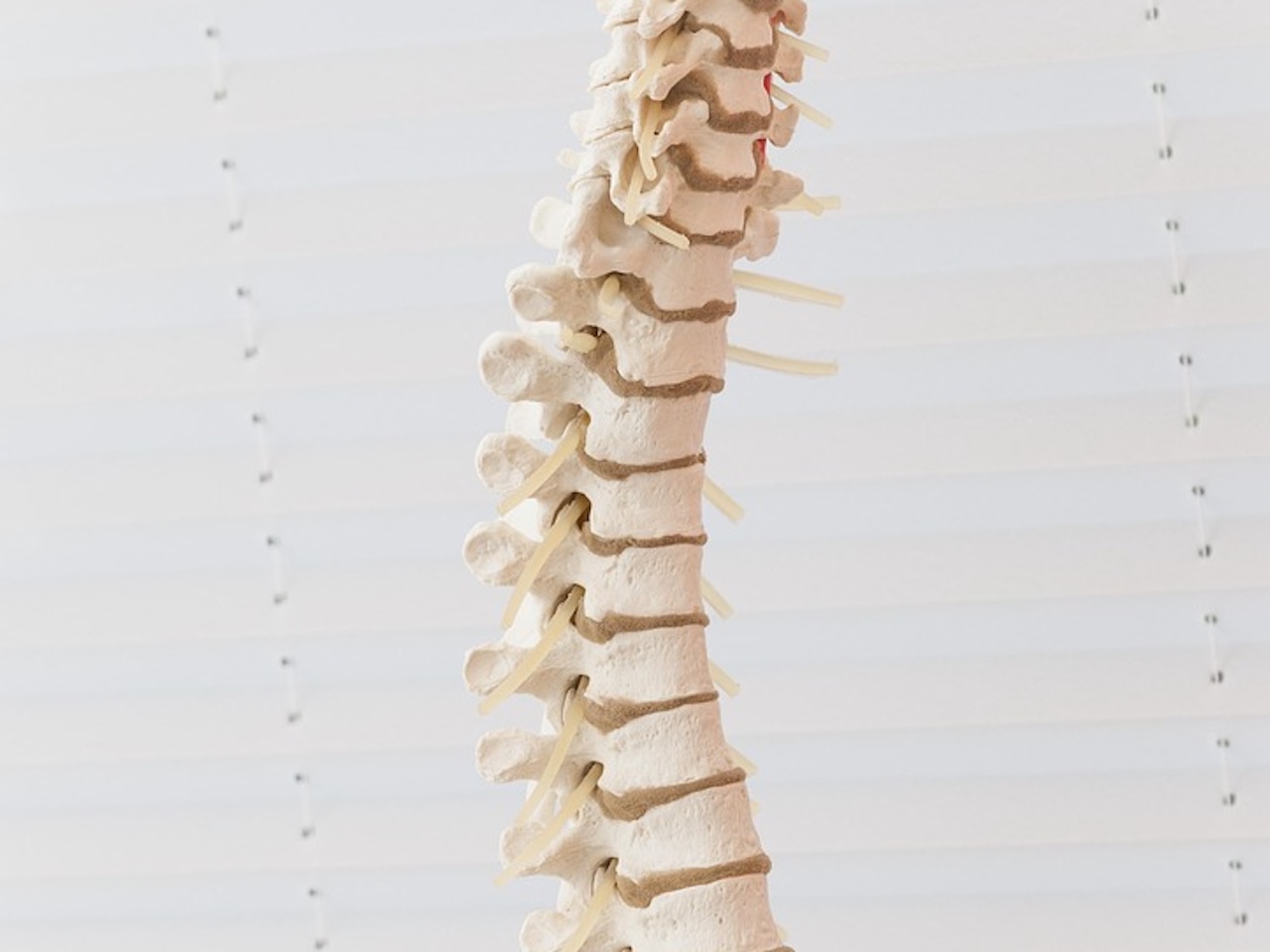
Spinal Stabilization & Core Strengthening
Targeted programs to improve core strength, spinal stability, and functional movement.
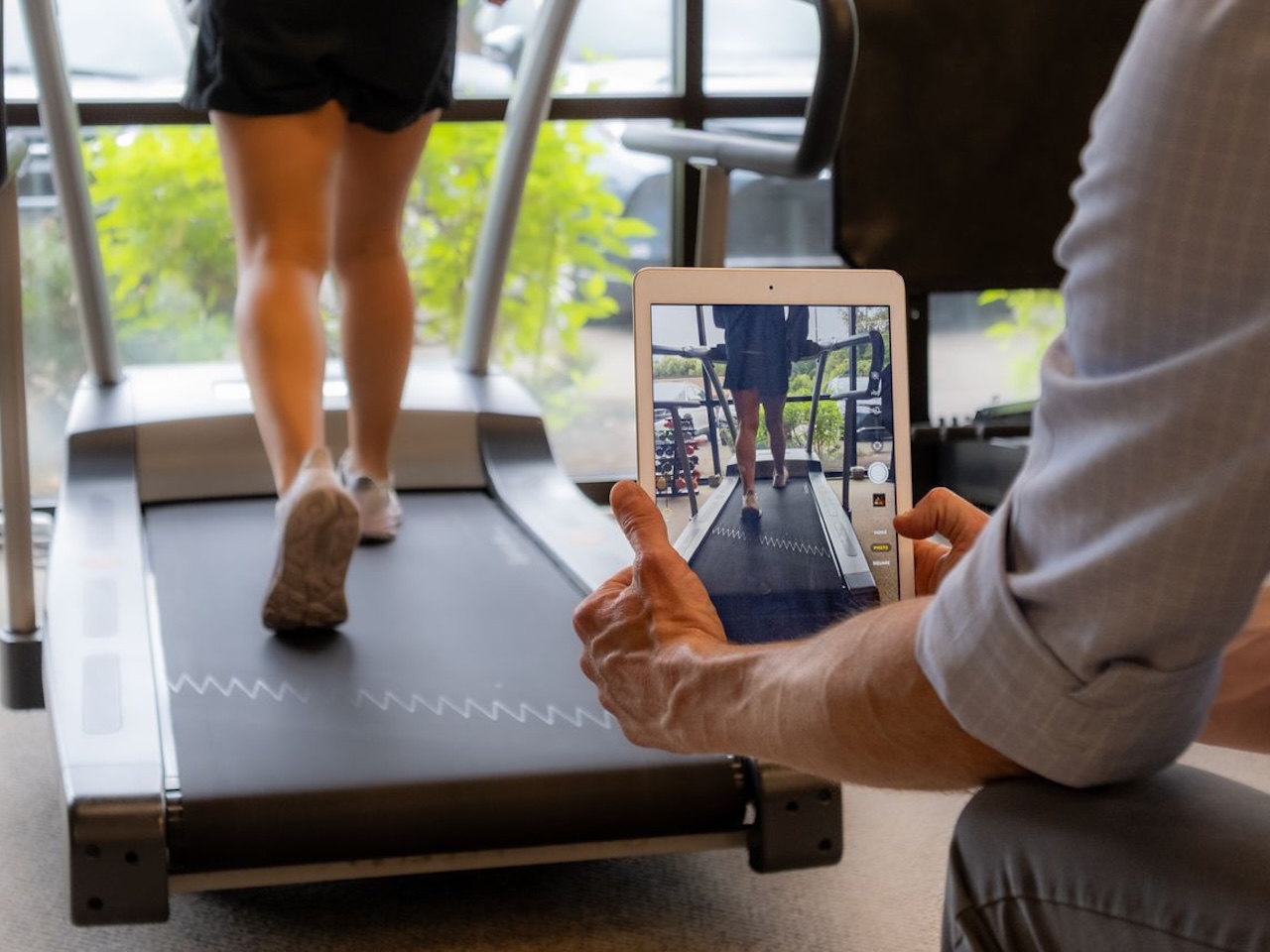
Gait Training
Evaluation and training to improve walking and running mechanics following injury or surgery.
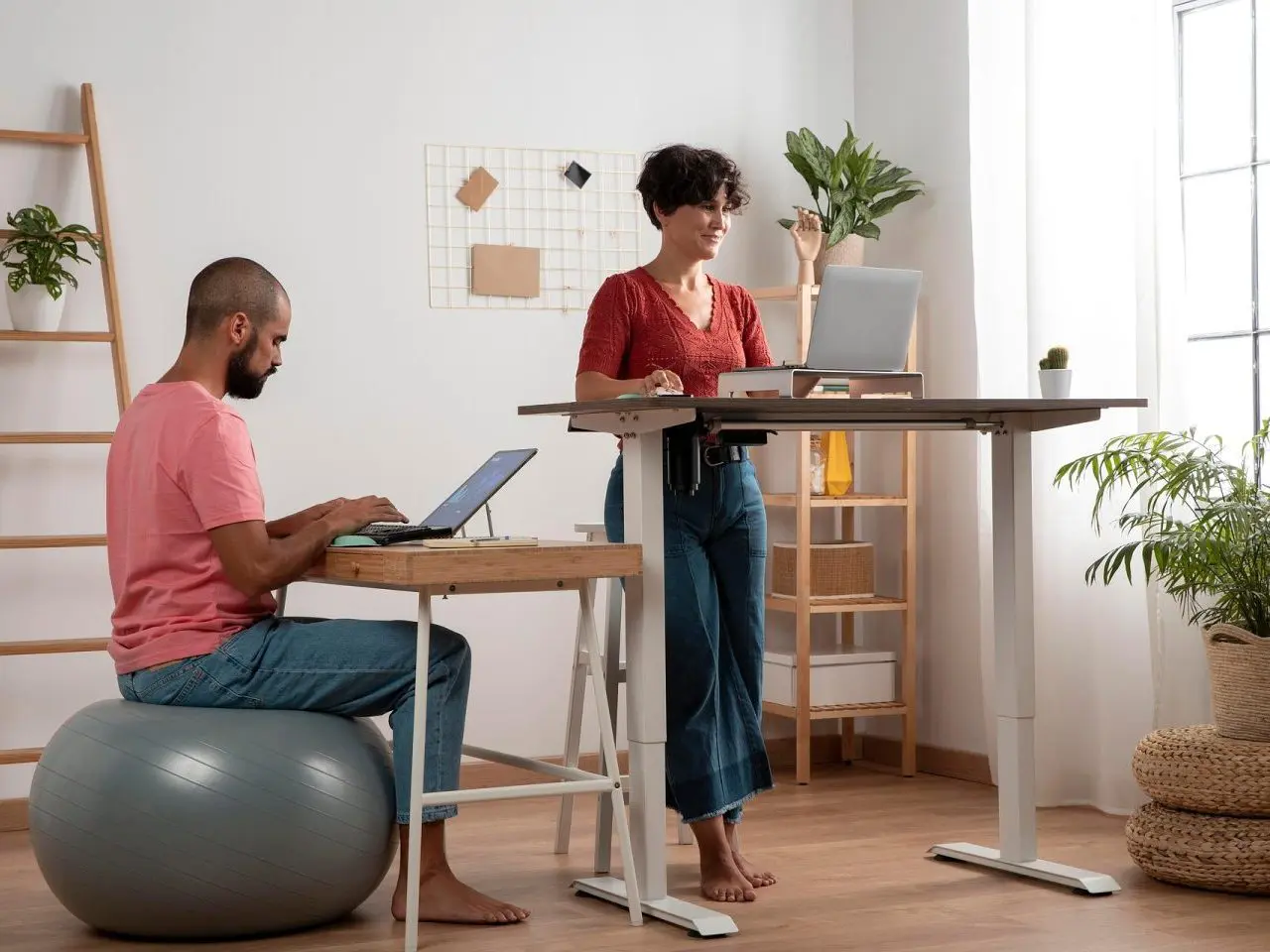
Education & Lifestyle Modification
Patient education focused on activity modification, ergonomics, injury prevention, and long-term movement health.
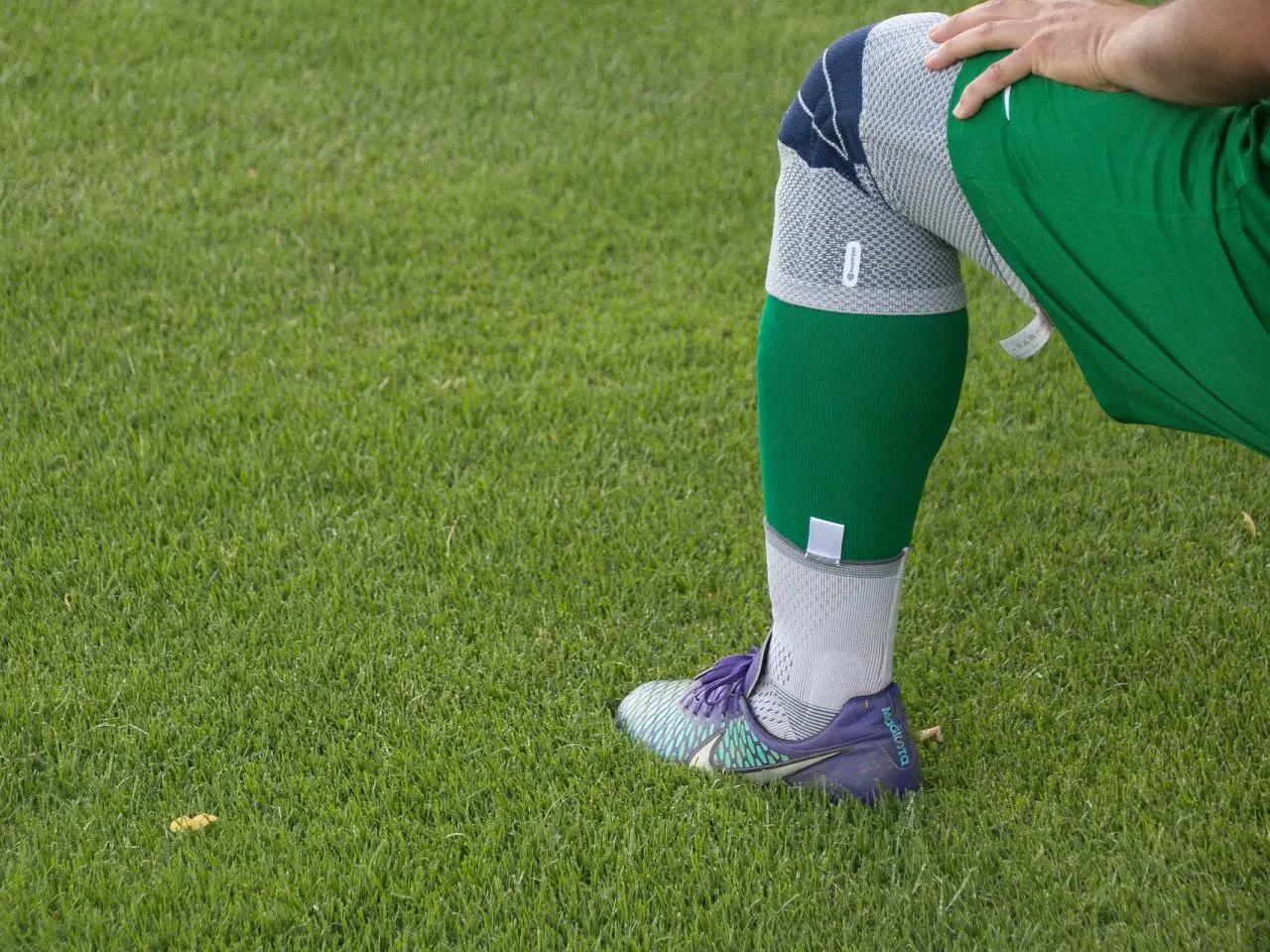
Taping & Bracing
Supportive taping and bracing techniques to assist joint stability and movement awareness.
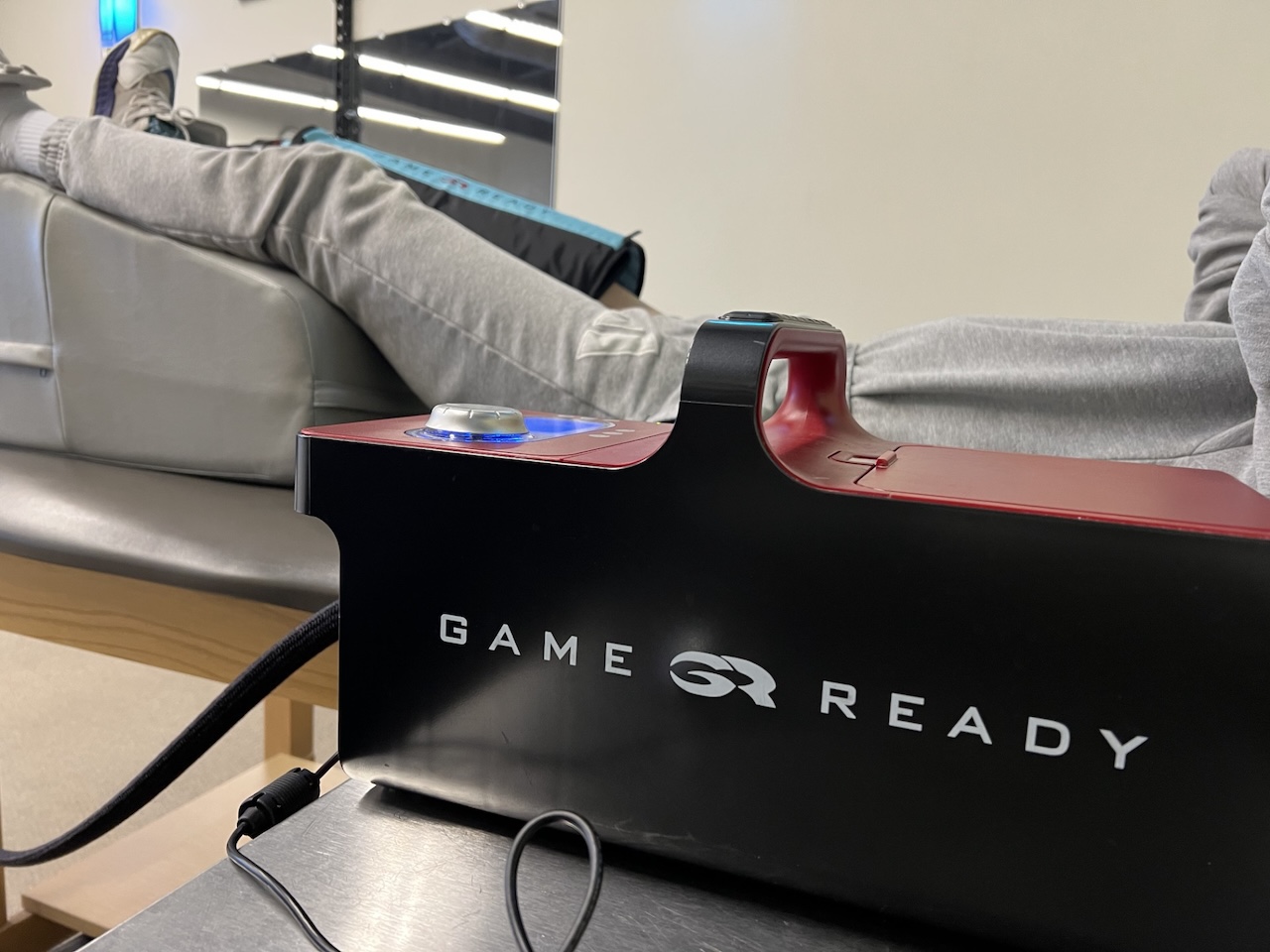
Therapeutic Modalities
Modalities may be used selectively to manage pain, inflammation, and tissue healing as part of a comprehensive treatment plan.
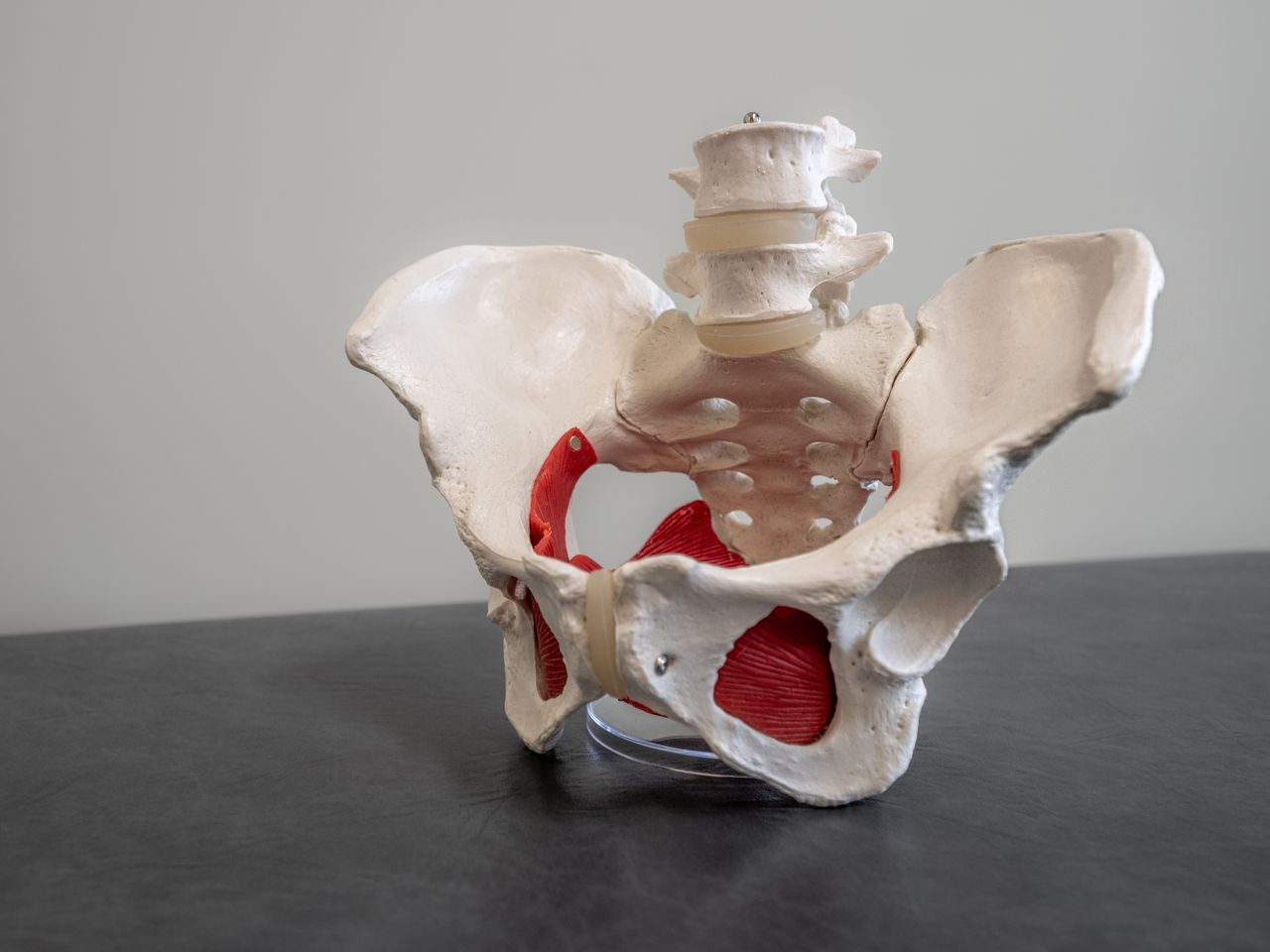
Women’s Health & Pelvic Floor Physical Therapy
Specialized care for women’s health and pelvic floor conditions, including pre- and post-partum care, urinary incontinence, pelvic pain, core and pelvic floor strengthening, and return-to-activity guidance.
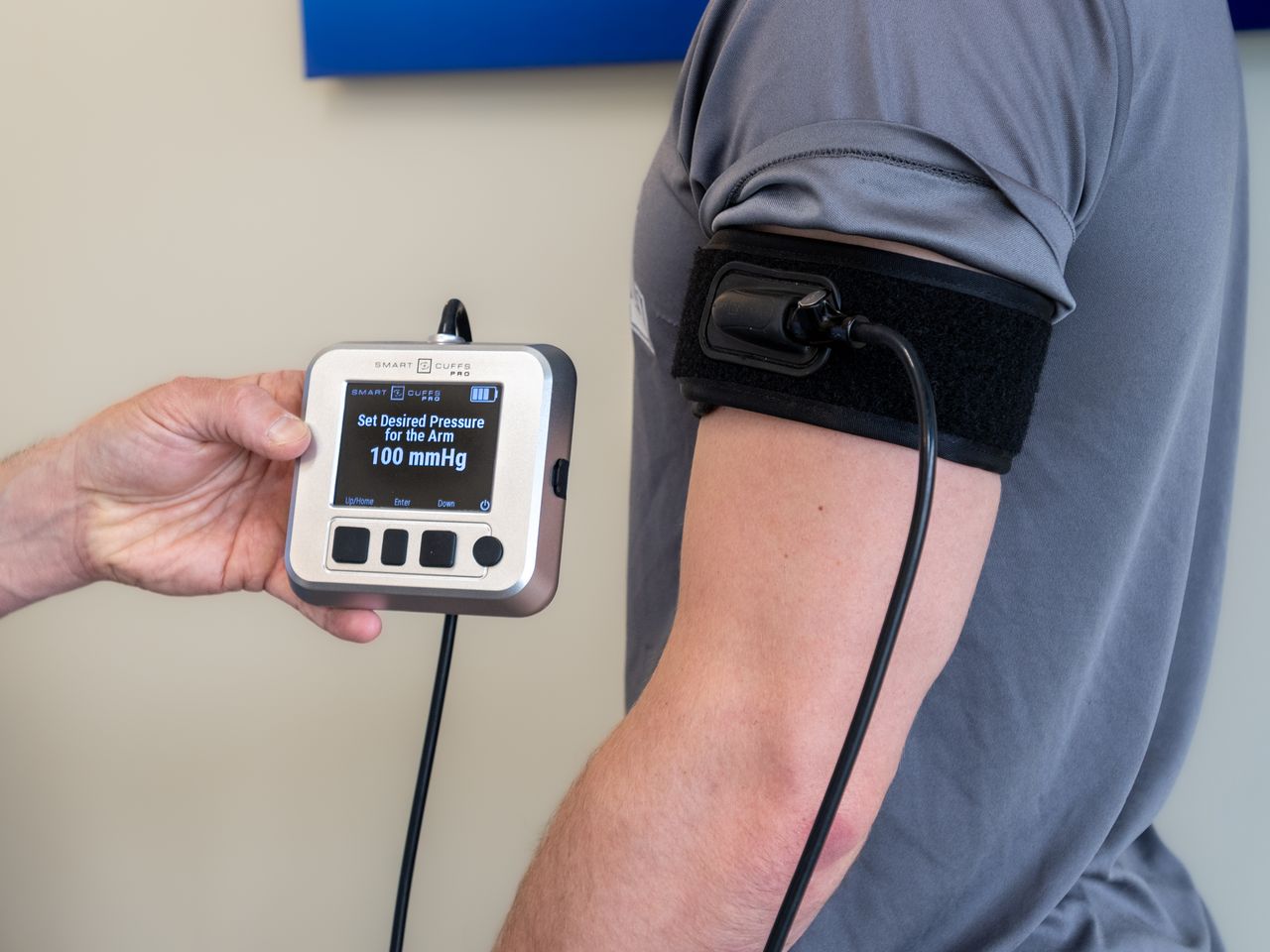
Blood Flow Restriction Therapy
Blood flow restriction (BFR) therapy is a rehabilitation technique using specialized pneumatic cuffs on limbs to safely restrict venous outflow while maintaining arterial inflow during low-intensity exercise.
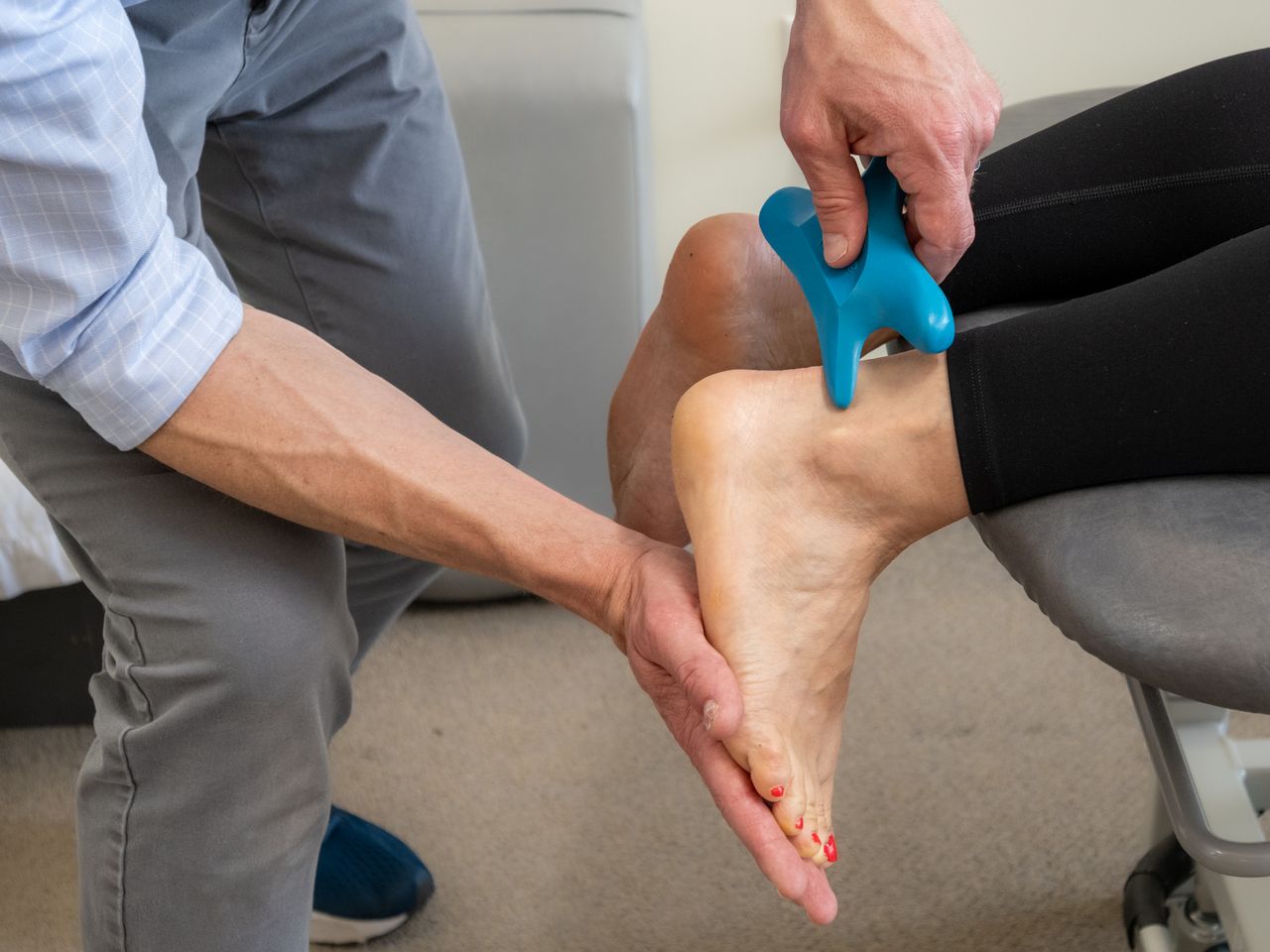
Instrument Assisted Soft Tissue Mobilizations (IASTM)
Instrument Asssited Soft Tissue Mobilizations is a therapeutic technique used by professionals to detect and treat soft tissue dysfunction, such as adhesions, fibrosis, and chronic inflammation, using specialized metal or plastic instruments. It is designed to increase blood flow, reduce pain, and improve range of motion by breaking down scar tissue and releasing fascia.
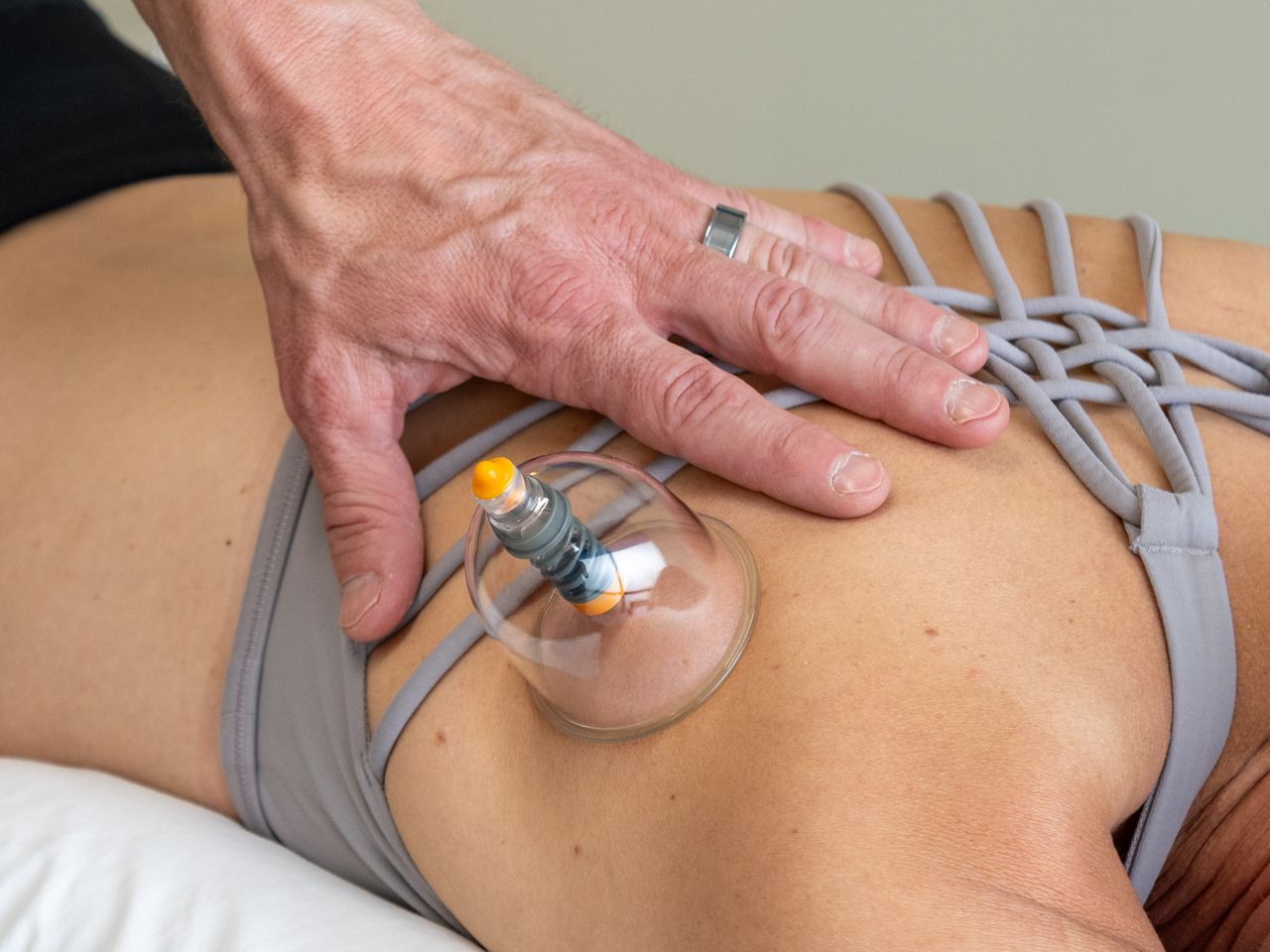
Cupping Therapy
Cupping therapy is a technique used in physical therapy where specialized cups create gentle suction on the skin. This suction increases blood flow, helps release muscle tension, and supports the body’s natural healing process. It can be effective for back and neck pain, muscle tightness, and improving range of motion, and often functions as a form of deep tissue release. Cupping is safe, non‑invasive, and drug‑free, though it may leave temporary, painless marks that typically fade within a few days.